Launching methods
 Posted: Mon May 13, 2013 8:56 am
Launching an inhabited hang glider into a hang gliding flight can be done in many ways. (Ending a hang glider flight could be another blog; yet every launch method has at any time of operation a potential of needing a means to safely end the launching operation. Perhaps one might explore the meaning of launching; perhaps launching a hang glider does not end until one obtains flight that seems free of high influence from the launching operations.) Blog-starter opinion: One ought to be well versed in landing a hang glider flight, if one launches a hang glider flight! For ending or landing a hang glider flight, I direct readers to explore landing methods and also the Safe-Splat topic. Launched hang gliders seem always to end in some sort of landing or termination; assure that the characteristics of the end of every flight leaves one able one day to launch again! 

Blog purpose: to gather the various ways that an inhabited hang glider might be launched into a gliding/soaring session. A comprehensive compendium is intended to be eventually displayed. Speculative methods are invited.
Blog rules: Anyone is invited to post notes about some launching method. Especially invited are any safety-critical notes involved in the method in focus. References and links are encouraged. It will be helpful in a post to make it clear what method is in focus for the particular post.
Blog disclaimer: No method is deemed "safe" in and of itself; pilot-in-command is ever to be a now-vigilant safety officer. Posted notes are not necessarily recommendations. Warranties are not given over a method just because some description is given. Each user of a method is to take 100% responsibility for the safety of the method and any parts used therein. If humans beyond the pilot are involved in a method, then it is suggested that teamwork be highly refined. The engineering involved in any method is invited to be of top quality. Most methods are "unfinished" in the sense that there is room for improvement in all aspects of the method, including the user's understanding of the physics, wear of materials, influences of distraction, conditions of the environment, and fitness of the pilots and participants. Awareness of what can go wrong in any method and the means to avoid such is the responsibility of the pilot and participants of an operation. The US Hawks is not responsible for errors or opinions that may be stated in the blog. There will be some poor engineering statements and even potentially bad engineering statements made while exploring launching methods; readers and users are warned to be on guard about such possibilities and thus provide themselves with quality engineering review before risking the use of any certain launch method. Even upon deep care, launching into flight has its risks of injury, even that of deep disability, or death. Mechanical mishaps, breakage, stumbles, surprising agents, vagaries of the wind, distractions, and more may arrive to disturb a launch method; the method users are to take full responsibility for managing the risks of launching and flying. Launching a hang glider into flight may involve people, animals, and property that are not part of the launching operation; users of any method of launching are encouraged to be fully aware of third parties, properties, animals, and plants that may become involved in a launching operation. Launching of a hang glider may be an attraction that draws children, adults, or animals to the point of launching; the users of a launching method are urged to be fully aware of the attraction space and take responsibility for such attraction; there are means for fulfilling such responsibility and notes towards such means are invited into this blog.
Methods' aspects: Methods have aspects. Posters are encouraged to find and describe the various aspects of methods. One aspect would be the purpose of a method; purposes vary. Environmental constraints? Materials? Costs? Preparation time? Place? Time? Wind? Forces? Complexity quotient? Team size needed? Team training and readiness for THIS LAUNCH. Failure modes of a method? Rewards of a method? Wind? Calm? Gustiness? Aborting the method at any point in the operation with what consequences and subsequent actions? A method may be compared with some other method; polite and careful comparisons are invited; but comparing can be a daunting matter, but interesting. How repeatable is the method? And many more aspects.
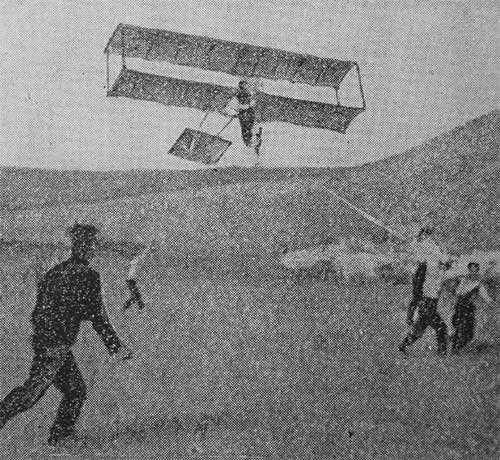


 Just control by weight shifting by pulling on left or right tether.